

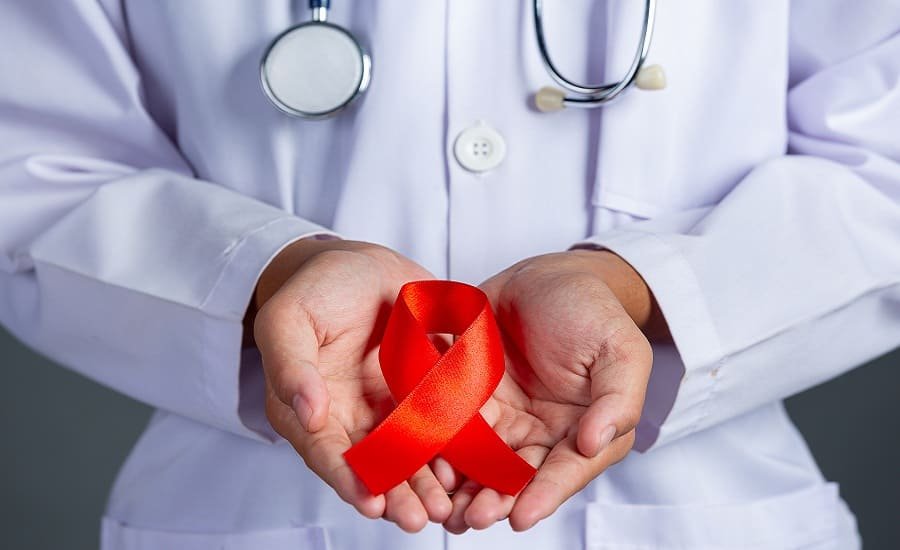
A cancer diagnosis can be overwhelming for patients and their families. Understanding the available treatment options, knowing what to expect and choosing the right medical guidance are important steps towards managing the disease. With advancements in medical science, cancer treatment has become more specialised, offering different approaches depending on the type, stage and overall health of the patient. Consulting an experienced Kolkata medical oncologist can help patients understand their condition and explore suitable treatment options.
Medical oncology is a specialised branch of medicine focused on diagnosing and treating cancer using medications and other systemic therapies. Medical oncologist in Kolkata play an important role in developing treatment plans, monitoring patients' progress and managing treatment-related side effects.
Unlike surgical oncologists, who primarily perform operations to remove cancerous tissues, medical oncologists use treatments such as chemotherapy, immunotherapy, targeted therapy and hormonal therapy. They also work closely with surgeons, radiation oncologists, pathologists and other healthcare professionals to provide comprehensive cancer care.
Cancer treatment depends on several factors, including the cancer type, its location, stage, genetic characteristics and the patient's general health. Common treatment approaches include:
Chemotherapy uses specialised medicines to destroy cancer cells or prevent them from growing and multiplying. It may be recommended before surgery, after surgery or as the primary treatment for certain cancers. Treatment schedules vary depending on the patient's condition and response to medication.
Immunotherapy helps the body's immune system recognise and fight cancer cells. It has become an important treatment option for selected cancers. However, its suitability depends on the cancer type, specific biomarkers and other medical factors.
Targeted therapy focuses on specific proteins, genes or other molecular changes that help cancer cells grow. Before recommending this treatment, doctors may suggest molecular or genetic testing to identify relevant changes in the tumour.
Certain cancers, including some breast and prostate cancers, depend on hormones to grow. Hormonal therapy works by blocking hormone production or preventing hormones from affecting cancer cells.
In some cases, doctors recommend combining different treatments to improve disease control. This may involve chemotherapy, immunotherapy, targeted medicines, surgery or radiation therapy.
Patients should consider consulting a medical oncologist when they receive a confirmed cancer diagnosis or when their treating doctor recommends specialised cancer treatment.
A consultation may also be helpful when:
A biopsy report confirms malignant cells.
Additional tests are required to determine the cancer stage.
Chemotherapy or other systemic treatment is recommended.
Cancer returns after previous treatment.
Patients experience significant side effects during cancer treatment.
A second medical opinion is required before starting treatment.
Early specialist consultation can help patients understand their diagnosis and avoid unnecessary delays in planning appropriate care.
Choosing a cancer specialist requires careful consideration. Patients should look at the doctor's qualifications, clinical experience, treatment approach and experience with the specific type of cancer.
Here are some important factors to consider:
Specialist qualifications: Check the doctor's medical education and oncology training.
Clinical experience: Consider experience in treating the relevant cancer type.
Treatment options: Understand the available medical and advanced treatment approaches.
Communication: Choose a specialist who explains the diagnosis, treatment options and possible side effects clearly.
Multidisciplinary support: Coordinated care involving different cancer specialists can help address complex treatment needs.
Patients should also carry their previous medical records, biopsy reports, imaging scans and blood test results during consultations.
Every cancer diagnosis is different, and patients may respond differently to the same treatment. Personalised cancer care considers the patient's medical history, cancer stage, tumour characteristics, genetic findings and treatment preferences.
A personalised approach helps doctors select appropriate therapies, monitor treatment responses and make adjustments when necessary. Regular follow-up appointments are equally important for evaluating progress, managing side effects and identifying possible recurrence.
1. What does a medical oncologist treat?
A medical oncologist treats different types of cancer using medications such as chemotherapy, immunotherapy, targeted therapy and hormonal therapy.
2. Is chemotherapy necessary for every cancer patient?
No. Chemotherapy is not required for every patient. Treatment depends on the cancer type, stage, tumour characteristics and overall health.
3. What is the difference between a medical oncologist and a surgical oncologist?
A medical oncologist primarily treats cancer using medicines, while a surgical oncologist specialises in operations to remove cancerous tumours.
4. Can cancer be treated without surgery?
Yes. Certain cancers can be treated using chemotherapy, immunotherapy, targeted therapy or radiation therapy without surgery. The appropriate approach depends on the individual diagnosis.
5. What reports should I bring to my first oncology appointment?
Bring biopsy reports, blood investigations, CT or MRI scans, PET-CT reports, previous prescriptions and details of any earlier cancer treatment.
Cancer treatment requires accurate diagnosis, careful planning and continuous medical supervision. Understanding different therapies and consulting the right specialist can help patients make informed healthcare decisions. If you or a family member has received a cancer diagnosis, consider consulting an experienced Kolkata medical oncologist to discuss the available treatment options and develop an appropriate care plan.