
Breast cancer is one of the most common cancers affecting women worldwide. Early detection plays a very important role in successful treatment and recovery. Recognizing the breast cancer symptoms at an early stage can help women seek medical advice quickly and improve survival rates.
If you notice any unusual changes in your breast, consulting the Best Oncologist in Kolkata can help in early diagnosis and timely treatment.
In this blog, we will discuss the symptoms of breast cancer, possible causes, types, and treatment options such as chemotherapy for breast cancer.
Breast cancer occurs when abnormal cells in the breast grow uncontrollably and form a tumor. These cancerous cells may remain confined to the breast or spread to other parts of the body.
Breast cancer mainly affects women, especially those over the age of 50. However, younger women and even men can develop this disease.
In many cases, early-stage breast cancer does not show obvious symptoms. This is why regular breast self-examination and screening are extremely important.
The symptoms of breast cancer can vary from person to person. Some women may notice clear signs, while others may only detect subtle changes in the breast.
Common breast cancer symptoms include:
It is important to understand that not every breast lump is cancerous. However, any unusual change should be evaluated by a medical professional.
Women may experience several warning signs if breast cancer develops. Some symptoms are visible while others may only be felt during a self-examination.
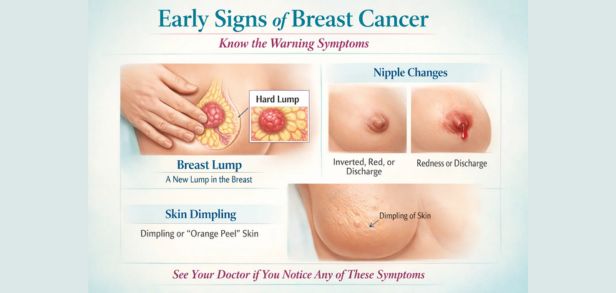
One of the most common symptoms of breast cancer in women is a lump in the breast.
The lump may feel:
Sometimes the lump can be very small, similar to a pea. It may also appear in the chest area or under the arm.
Breast cancer may cause noticeable changes in the skin of the breast.
These may include:
These changes occur when cancer cells block lymph vessels in the skin.
A sudden change in the size or shape of one breast may also indicate breast cancer.
Women may notice:
If one breast suddenly looks different from the other, it is important to consult a doctor.
Unexpected nipple discharge can sometimes be a warning sign.
This may include:
Discharge that occurs when you are not pregnant or breastfeeding should always be checked by a doctor.
Changes in the appearance of the nipple can also be a sign of breast cancer.
Possible changes include:
These symptoms may sometimes resemble eczema but should not be ignored.
Pain in the breast is usually not associated with breast cancer. However, persistent pain that does not go away may require medical attention.
Breast cancer-related pain may occur in:
Pain that comes and goes is usually not a sign of breast cancer, but continuous discomfort should be evaluated.
Regular breast self-examination helps women become familiar with how their breasts normally look and feel.
This makes it easier to detect early breast cancer symptoms.
Women should check for:
If any unusual changes appear, consulting the Best Oncologist in Kolkata can help ensure early diagnosis and proper medical guidance.
When breast cancer spreads to other parts of the body, it is called secondary breast cancer or metastatic breast cancer.
Cancer cells may spread through the bloodstream or lymphatic system.
The most common organs affected include:
These symptoms may include:
The specific symptoms may vary depending on where the cancer spreads.
If cancer spreads to the bones, symptoms may include:
When breast cancer spreads to the lungs, symptoms may include:
Symptoms may include:
When breast cancer spreads to the brain, patients may experience:
Early detection and treatment can significantly reduce the risk of cancer spreading.
There are several different types of breast cancer. Doctors classify them based on where the cancer begins and how it behaves.
This is the most common type of breast cancer.
It begins in the milk ducts and spreads to surrounding breast tissue.
This type begins in the milk-producing glands called lobules.
It may spread to nearby breast tissues.
This is a non-invasive form of breast cancer.
The cancer cells remain inside the milk ducts and do not spread to surrounding tissues.
This type is more aggressive and spreads faster than other forms.
It does not have estrogen, progesterone, or HER2 receptors.
This rare type causes redness and swelling of the breast.
The skin may look thick and resemble an orange peel.
Paget’s Disease of the Breast
This rare cancer affects the skin of the nipple.
Symptoms may look like eczema or skin irritation.
Risk Factors of Breast Cancer
Certain factors may increase the risk of developing breast cancer.
These include:
Having these risk factors does not mean someone will definitely develop breast cancer, but it increases the possibility.
Treatment Options for Breast Cancer
Breast cancer treatment in Kolkata depends on several factors including the stage of cancer, type of tumor, and overall health of the patient.
Common treatment methods include:
Chemotherapy for Breast Cancer
Chemotherapy for breast cancer uses powerful drugs to destroy cancer cells.
It may be used in several situations:
Chemotherapy drugs travel through the bloodstream and target cancer cells throughout the body.
Although chemotherapy can cause side effects such as hair loss, fatigue, nausea, and weakened immunity, modern treatments have significantly improved patient comfort and outcomes.
An experienced Best Oncologist in Kolkata can recommend the most suitable chemotherapy plan based on the patient's condition.
Prevention and Early Detection
While breast cancer cannot always be prevented, certain lifestyle choices may help reduce the risk.
These include:
Early detection remains the most effective way to treat breast cancer successfully.
When to See a Doctor
You should consult a doctor if you notice:
Early consultation with the Best medical Oncologist in Kolkata can help detect breast cancer at an early stage and significantly improve treatment success.
Breast cancer is a serious but treatable disease, especially when detected early. Understanding the breast cancer symptoms and being aware of changes in your body can help you seek medical care at the right time.
Regular screening, healthy lifestyle choices, and awareness of symptoms of breast cancer are essential for early detection and better outcomes.
If you notice any unusual changes in your breast, do not ignore them. Timely consultation with the Oncologist and proper treatment, including chemotherapy for breast cancer, can help patients fight the disease and improve their quality of life.
Visit our social profile:
https://www.youtube.com/@drsanchayanoncologykolkata
https://www.instagram.com/p/DM4k2uqzcea/