


As an experienced prostate oncologist in Kolkata, Dr. Sanchayan Mandal focuses on personalised cancer care based on the patient's health, cancer stage and treatment requirements. Patients can receive professional guidance from initial evaluation and diagnosis through treatment and follow-up care.
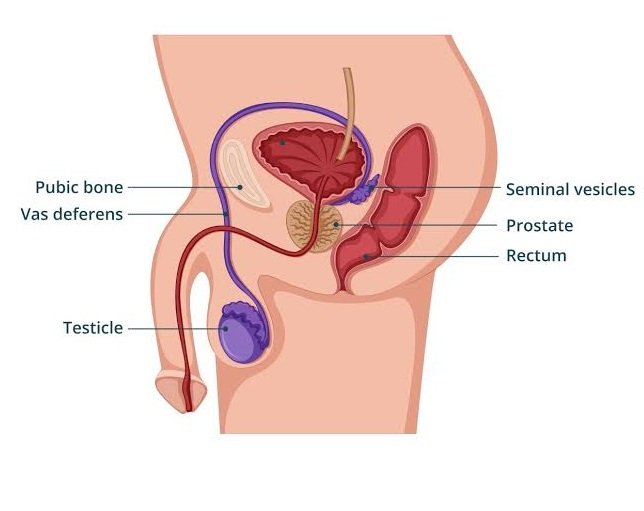
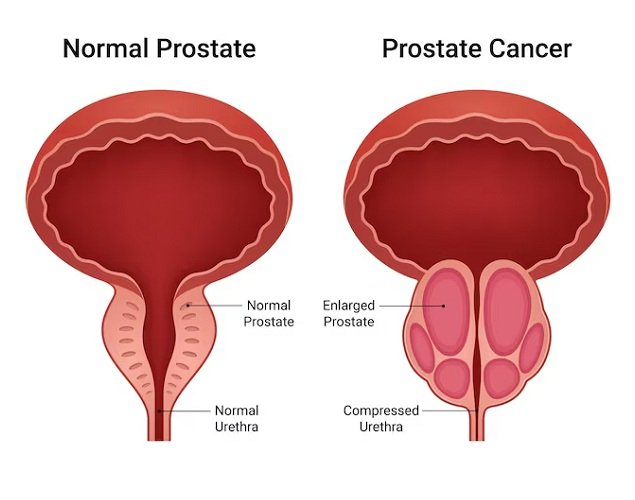
Prostate cancer develops when abnormal cells in the prostate gland begin to grow uncontrollably. The prostate is a small gland located below the bladder and in front of the rectum. It plays an important role in producing fluid that forms part of semen. Some prostate cancers grow slowly and may not cause noticeable symptoms initially. Others can be more aggressive and may spread beyond the prostate. Therefore, timely medical evaluation is important when symptoms or risk factors are present.
Understanding prostate cancer symptoms can help men seek medical advice at an early stage. Common symptoms may include:
These symptoms can also occur due to non-cancerous prostate conditions. A medical evaluation is necessary to identify the underlying cause.
The exact prostate cancer causes are not always known. However, several factors may increase the risk of developing prostate cancer. These include increasing age, a family history of prostate cancer, inherited genetic changes and certain lifestyle-related factors.
Men with a close relative who has had prostate cancer may have a higher risk and should discuss appropriate screening and evaluation with a best prostate cancer doctor in Kolkata.
Prostate Cancer Diagnosis:
Prostate cancer diagnosis generally involves a combination of medical history, physical examination and diagnostic tests. Depending on the patient's condition, a doctor may recommend a PSA blood test, digital rectal examination (DRE), imaging tests such as MRI, and a prostate biopsy. A biopsy is commonly used to confirm whether cancer cells are present. Additional tests may be recommended to understand the characteristics and extent of the disease. Accurate diagnosis is essential for selecting an appropriate treatment approach.
Prostate Cancer Stages:
Understanding prostate cancer stages helps doctors determine how far the cancer has progressed and plan treatment. Prostate cancer may be described as localised when it remains within the prostate, locally advanced when it has extended into nearby tissues, or advanced/metastatic when it has spread to distant parts of the body.
The stage, PSA level, tumour characteristics, biopsy findings and overall health of the patient are considered when developing a treatment plan.
Best prostate cancer treatment in Kolkata depends on the type, grade and stage of cancer, as well as the patient's age, general health and personal preferences. prostate cancer treatment options may include active surveillance for selected low-risk cancers, surgery, radiation therapy, hormone therapy, chemotherapy, targeted treatments or other advanced cancer therapies.
Dr. Sanchayan Mandal - Best prostate cancer doctor in Kolkata evaluates each patient individually and explains suitable treatment options, potential benefits and possible side effects. Personalised treatment planning can help patients make informed decisions about their cancer care.
Choosing the right prostate cancer doctor in Kolkata is an important step after a prostate cancer diagnosis. Dr. Sanchayan Mandal provides patient-focused consultation and helps patients understand their diagnosis, treatment options and next steps.
If you notice possible symptoms of prostate cancer or have concerns because of your age or family history, seeking timely medical advice is important. Early evaluation can help identify prostate problems and determine whether further testing is required.
1. Who is the Best Prostate Cancer Doctor in Kolkata?
Dr. Sanchayan Mandal provides specialist consultation and personalised guidance for patients with prostate cancer and suspected prostate-related conditions in Kolkata.
2. What are the common Prostate Cancer Symptoms?
Common symptoms include difficulty urinating, weak urine flow, frequent night-time urination, blood in urine or semen, and pelvic, hip or back pain. Some patients may have no symptoms in the early stages.
3. How is prostate cancer diagnosed?
Diagnosis may involve a PSA blood test, physical examination, imaging such as MRI and a prostate biopsy. The exact tests depend on the patient's symptoms and clinical findings.
4. What are the different Prostate Cancer Stages?
Prostate cancer can be localised, locally advanced or metastatic. Doctors determine the stage using examination, PSA levels, biopsy results and imaging findings.
5. What treatments are available for prostate cancer?
Depending on the cancer's stage and risk category, treatment may include active surveillance, surgery, radiation therapy, hormone therapy, chemotherapy or other specialised treatments.
6. When should I consult a prostate oncologist in Kolkata?
You should consider consulting a specialist if you experience persistent urinary symptoms, blood in urine or semen, unexplained pelvic or bone pain, or have significant prostate cancer risk factors.
Early diagnosis and timely treatment make a significant difference in cancer care. Schedule a consultation with Dr. Sanchayan Mandal for expert evaluation and personalized care.