
How does cancer (tumor) develop?
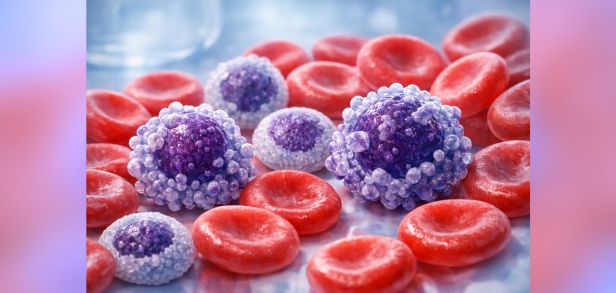
Cancer starts when normal cells acquire genetic changes (mutations) that interrupt the usual checks and balances that control cell growth. These changes can be caused by inherited genes, environmental exposures (like radiation, tobacco, or certain chemicals), infections, or random errors during cell replication. Over time, mutated cells can multiply uncontrollably to form a tumor. Tumors are broadly classified as benign (non-invasive) or malignant (invasive).
In simple terms, tumor development follows three broad phases:
- Initiation: DNA damage or mutation in a normal cell.
- Promotion: Mutated cells gain a growth advantage and begin expanding.
- Progression: Cells accumulate more changes, invade nearby tissues, and may metastasize (spread) to distant organs.
On a molecular level, cancer is driven by errors in genes that regulate:
- Cell division (oncogenes)
- DNA repair (tumor suppressor genes)
- Programmed cell death (apoptosis)
Modern oncology looks beyond visible tumors to the molecular drivers—this is the essence of precision oncology, which helps clinicians choose targeted drugs, immunotherapy or chemotherapy based on tumor biology rather than a one-size-fits-all approach.
What role does chemotherapy play in cancer treatment?
Chemotherapy uses systemic drugs to kill or slow the growth of rapidly dividing cells. It remains a cornerstone of cancer treatment and is frequently used in combination with surgery, radiation, targeted therapy and immunotherapy. Chemotherapy can be curative, life-prolonging, or palliative depending on the cancer type and stage.
Common goals of chemotherapy include:
- Eliminating microscopic disease after surgery (adjuvant therapy)
- Shrinking tumors before surgery or radiation (neoadjuvant therapy)
- Controlling metastatic disease to relieve symptoms and prolong life
While chemotherapy targets rapidly dividing cells, side effects occur because some healthy tissues (hair, gut lining, bone marrow) are also affected. Evidence-based supportive care and newer delivery methods reduce toxicity and improve patient comfort.
Precision oncology, immunotherapy and combined approaches
Advances in genomics and immunology have transformed cancer care. Targeted therapies block specific molecules essential for tumor growth. Immunotherapy empowers the patient's immune system to recognize and destroy cancer cells. Frequently, the best outcomes occur when these modalities are combined thoughtfully with chemotherapy and/or radiation.
Personalized treatment planning—matching the right drug to the right patient at the right time — is what separates modern cancer centers from generic care providers.
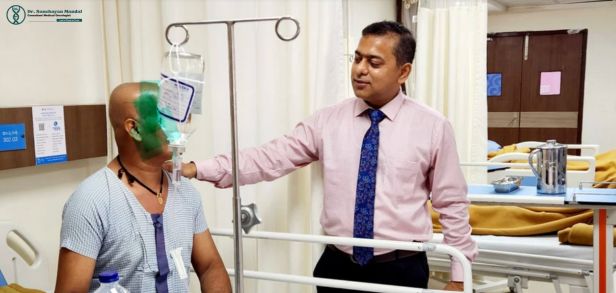
Meet Dr. Sanchayan Mandal—Chemotherapy Doctor in Kolkata
Dr. Sanchayan Mandal
Consultant Medical Oncologist—Dual-trained in Medical & Radiation Oncology
Recognized as a top cancer doctor in Kolkata with over 19 years of clinical experience and more than 30,000 cancer cases managed across major organ systems.
Book ConsultationDr. Mandal’s clinical strengths include:
- Chemotherapy for a wide range of cancers
- Immunotherapy and targeted therapy
- Precision oncology and molecularly guided protocols
- Management of rare and advanced cancers with customized plans
- Active participation in national & international clinical research
Certifications & contributions: ASCO & ECMO certified, frequent speaker at global oncology summits, and contributor to cancer societies and clinical trials—bringing global evidence to local patient care.
Why patients choose a leading Chemotherapy Doctor in Kolkata
Choosing an experienced medical oncologist affects outcomes. Patients benefit from clinicians who combine:
- Deep clinical experience (case volume and varied cancers)
- Multidisciplinary care (medical oncology + radiation + surgery)
- Access to modern systemic options: chemo, targeted agents, immunotherapy
- Evidence-based protocols and clinical trial opportunities
- Clear communication and compassionate, patient-centered care
Dr. Sanchayan Mandal embodies these qualities, making him a go-to chemotherapy doctor in Kolkata for patients seeking modern, personalized cancer care.
Practical advice for patients and families
If you or a loved one are facing a new cancer diagnosis, consider these steps:
- Obtain an accurate histopathology report and, where relevant, molecular testing.
- Seek a multidisciplinary opinion (medical oncology + surgery + radiation).
- Discuss goals of care clearly—curative, control, or symptom relief.
- Ask about clinical trials or targeted options if standard treatments have limited benefit.
- Ensure supportive care (nutrition, symptom control, and psychosocial support) is part of the plan.
Early, evidence-guided treatment increases the chances of a favorable outcome. A trusted specialist helps simplify complex decisions and personalize therapy.Cancer care today is about biology, not just anatomy. Understanding how tumors develop and selecting treatments tailored to tumor biology is the backbone of modern oncology. If you are searching for a chemotherapy doctor in Kolkata who combines expertise, experience and empathy, Dr. Sanchayan Mandal is an established choice—offering precision oncology, immunotherapy, and comprehensive care to patients across Kolkata and India.